
Authored by Cathrine
Having a child who knows the value of education is by far one of the greatest gifts a parent could ever wish for. In today’s world where many electronic devices battle for children’s attention, it is normal for scholars to develop an aversion for books. However, reading books and studying meaningfully are skills that your child can still exercise if you play your cards right. With the right kind of strategies you could well have your child dedicating a healthy amount of time to their studies.
Here are a few strategies that I have used with my child, and which I believe that if my own parents had used with me growing up, I could have achieved even better academically.
- Be a lifelong learner yourself.

Children learn a lot from us through a ‘hidden curriculum’. This means they are likely to copy what we do than listen to what we say. Make time to study in the view of your child. This conveys a message of being ‘in it together’ because that way they know you understand that studying is not fun but you too are still doing it. Model the studying habits that you would want them to also use, for example jotting down notes or putting away all the distractions like mobile phones.
2. Schedule study sessions to align your study time with theirs.

On the back of the above strategy of being a lifelong learner, try to set time for both of you to be studying at the same time. The feeling of study companionship can be very beneficial to children and may result in improved motivation to study. If both of you go quiet and focus on your individual studies, your child is likely to also get into the study mood and actually put in some work. You only need to make sure that the duration of the study session is matched with your child’s age so as not to overwhelm them.
3. Offer rewards for successful studies.

Children work better if incentives are dangled in their face. This is because their motivation is more extrinsic than intrinsic when they are still young. There are several offers you can make to your child to motivate them to study. Examples include offering to play with them after completing tasks, taking them to the park after successful completion of tasks, or give them some coins to add into their piggy bank. Whatever the incentive you give, make sure it is well-deserved. This teaches them hard work gets rewarded.
4. Give immediate feedback for the work done.
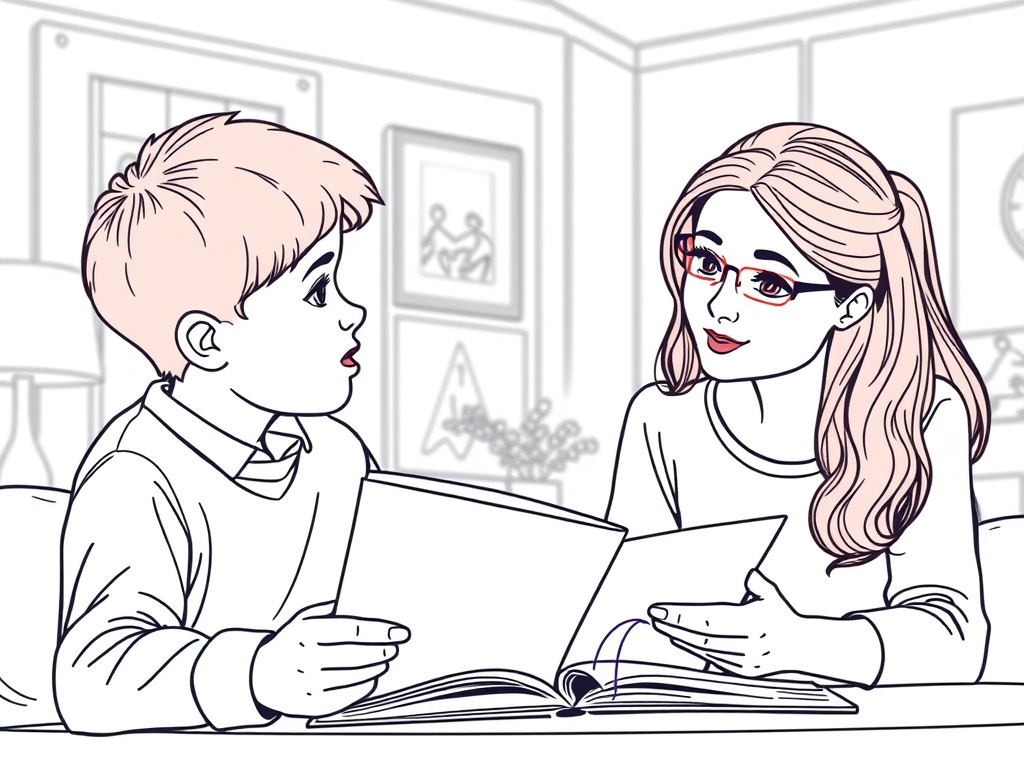
Another important thing is to give your child instant feedback on the work done. This is because positive feedback drives motivation and that builds momentum for more study sessions. You do not need to be a teacher to assess your child’s work. You can measure the success through simple different assessments you can set yourself at home.
5. Show your success and link that to your hard work.

Whenever I finish a course and get a certificate I always show it to my child. If I get a side hustle connected to my acquired skills I use that achievement to motivate her to gain skills of their own and make money out of them. This is a very good strategy to use to motivate your child to study because they will know that hard work is rewarding.
6. Set achievable tasks to be finished in a specified time.

One of the most important part of motivating your child to study is ensuring that any tasks set are achievable within a set timeframe. If you give your child work that they cannot finish and experience a feeling of accomplishment, you are going at it the wrong way. Your child needs to feel that they are able to finish the set task, and that you are not setting unachievable targets for them. Piling huge amounts of work on them will only discourage your child as they get overwhelmed and are likely to quit without trying.
Download and encourage them to use time-tracking apps to stay focused on studying for set periods of time. Such apps like Pomodoro are helpful and keep them motivated because they will look forward to the breaks when you could award them snacks for staying on task.
7. Create a fun learning environment.

For young children and even unmotivated high school students, learning might occur faster if the environment is fun and fraught with hands on activities. Search for content that includes a hands-on twist, even at home, to motivate them to study. I have often noticed, being a teacher myself, that even the most reluctant student is willing to participate in hands-on tasks, and they often remember concepts taught in that way more than the wholly-theoretical content.
Those are some of the tips I have for motivating your child to want to study. I know as a parent you definitely have your own additions to make. Please post them in the comment section so can all benefit from them. Like and share the post.
 All about relationships, marriages and raising responsible children.