
Authored by Cathrine
It has never been easy to raise responsible children. Even the most naturally-disciplined children need proper guidance to grow into fully responsible adults. In addition to having good manners, raising responsible children entails fostering a sense of self-reliance, empathy, and integrity that will guide them throughout their lives.

Listed below are some key strategies that parents and guardians could use to help their children grow into responsible adults.
- Starting early and being consistent
Discipline and a sense of responsibility are likely to be accepted and appreciated if they are instilled in children at a tender age. Children need to know that there are clear and consistent boundaries to be observed.
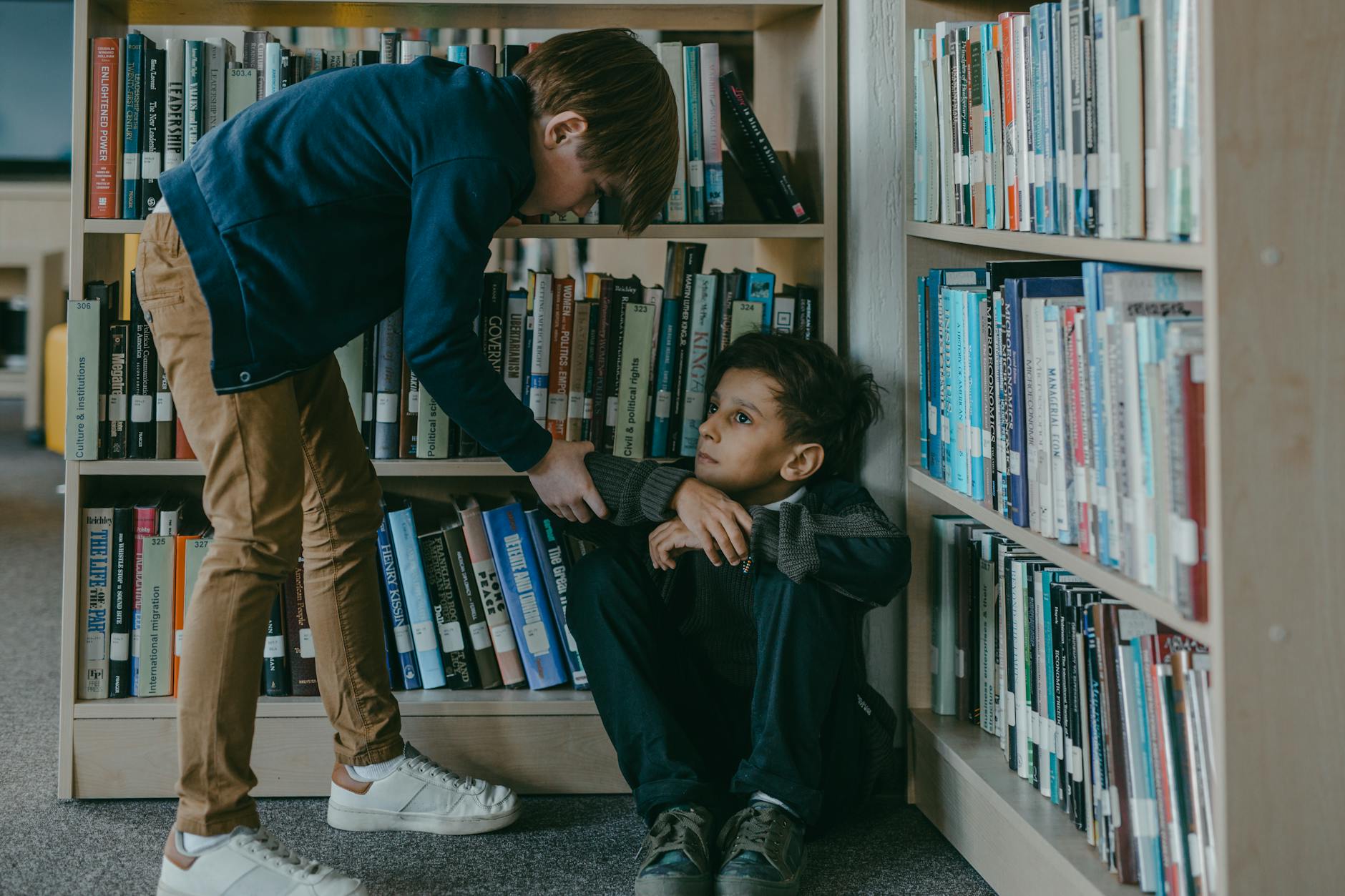
The consistency helps with predictability which children thrive very much on. I have a 10-year-old daughter who now has an idea of the kind of consequences that each action leads to because I have been very consistent with the expectations and consequences.
2. Employing both retributive and restorative strategies
Children need to understand that their actions may result in negative consequences so that they discourage themselves from repeatedly doing the wrong things. At the same time, you should also take time to have restorative conversations to encourage introspection about their actions and what they mean to the people affected or around them. I make sure to have a chat with my daughter after a particularly bad incident and when emotions have gone down, to discuss the causes, feelings involved, and how such incidents could be avoided in future.

This strategy is a powerful tool for fostering emotional intelligence because it fosters a spirit of unselfishness and encourages them to be responsible for their actions.
3. Cultivating a growth mindset
As children grow, they will always make mistakes even if they mean good, just like we all do. Make sure to encourage children to embrace challenges and view mistakes as learning opportunities. Just be on the lookout that what they call mistakes are real mistakes and not them being sloppy or hideous and hiding behind the ‘mistake’ banner. I have often caught my child trying to lie to me about having ‘forgotten’ to undertake an assigned task when in actual fact she was just trying to avoid the consequences of her negligence.
Emphasize the importance of effort and hard work, rather than solely focusing on the outcome. I cannot count the number of times I have had to praise some very ugly drawings because I appreciated the effort that she had put into it more than the outcome. The praise has always been met with renewed vigor to draw even better pictures and that has helped a lot in the perfecting of my child’s art.
4. Fostering empathy and compassion
Feeling for others is a very important part of being responsible. Teach your child to consider how other people feel in all situations. This is not to say that they should let people trample upon their emotions or anything like that. Rather they should just be emotionally intelligent to feel for others in their times of strife and act in a way that is not selfish towards others. Encourage them to act kindly towards others, involving them in activities such as volunteering, helping family members, or sharing with friends.

You can even go as far as engaging your child in family discussions about current events and social issues to cultivate empathy and understanding. I was surprised to hear my 10-year-old join in our discussion about the USA 2024 presidential elections, and she raised some points that were quite intelligent for her age. That conversation provided me with a window into her inner thoughts and I could tell that her viewpoints were stemming from a point of concern for the general populace. Discussions of such nature will give you an opportunity to see what your child thinks and channel them in the way of compassion, helping you to raise a responsible child. Most importantly, children learn by observing. Demonstrate empathy and compassion in your own interactions with others.
5. Teaching responsibility through chores
Teach your child to help with house chores. Assign age-aligned chores to help children understand the importance of contributing to the household. Part of becoming a responsible adult is being able to work around the house to keep it habitable without losing large sums of money to cleaning agencies every now and then. Maintaining a clean environment may just rub onto their minds and encourage them to keep clean thoughts as well.

6. Encouraging open communication
Communication is the key to all successful relationships. Teach your child to communicate their thoughts and feelings to you as much as is practically possible. On your part, actively listen to their thoughts, feelings, and concerns. If possible, have regular family meetings to discuss household rules, address concerns, and celebrate accomplishments.

Do as much as you can to create an open and supportive environment where your child feels comfortable expressing themselves honestly. Try as much as possible not to judge otherwise they will clam-up and will not feel safe to open up to you again. Offer your own viewpoints after giving weight to their own emotions and concerns, and help your child navigate any issues in a way that reiterates their full responsibility for the actions they take.
7. Nurturing self-reflection
Self-reflection is very good practice which enables a person to take stock of their inner being. There are many ways through which your child could be taught to introspect. For instance, you could start by encouraging your child to make journal entries to help them reflect on their experiences, emotions, and behaviors. Taking note of their various emotions will help mold them into becoming responsible people as they learn to treat others the way they would want to be treated themselves.
In summary, ensure to play your own role by modelling the behaviors that you would want your child to exhibit. Raising responsible children is an ongoing process which requires patience, understanding, and a consistent effort. By focusing on these key strategies, you can help your children develop the essential life skills they need to thrive.
 All about relationships, marriages and raising responsible children.
Share your own thoughts about how to raise responsible children.
LikeLiked by 1 person